
Revolutionizing Education: How Virtual Reality is Changing Learning in Hong Kong
Introduction to Virtual Reality in Education
Virtual Reality (VR) is making waves in the educational landscape of Hong Kong, offering students immersive learning experiences that were once the stuff of science fiction. By simulating real-world environments and scenarios, VR is transforming how students engage with complex subjects.
In Hong Kong, educators are increasingly adopting VR technology to enhance classroom experiences. This shift is not only making learning more interactive but also more effective by catering to various learning styles.
Enhancing Engagement and Retention
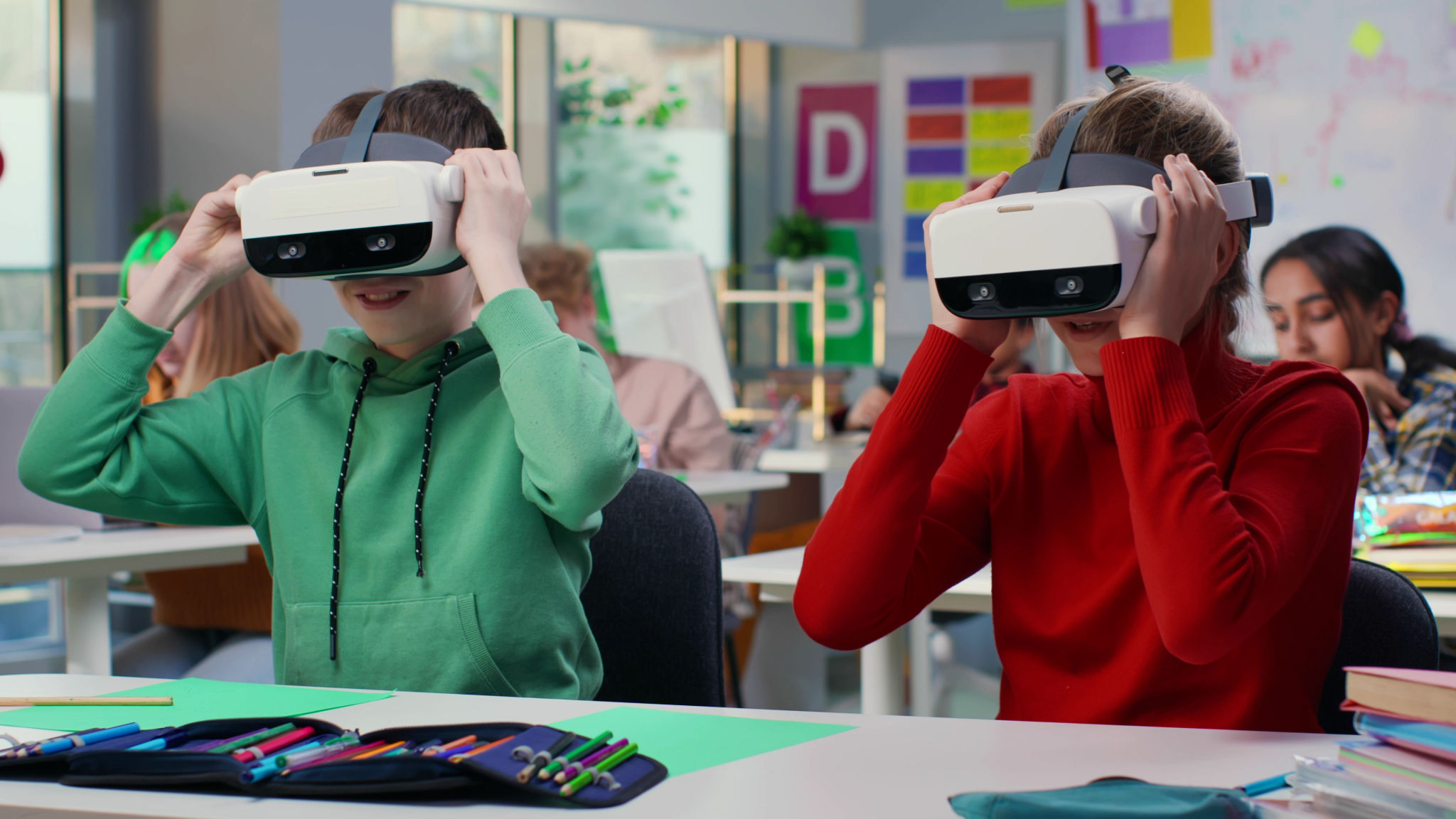
One of the key benefits of VR in education is its ability to captivate students' attention. By immersing students in a 3D environment, VR makes learning more engaging and memorable. As a result, students are more likely to retain information compared to traditional teaching methods.
For instance, history lessons can come alive with virtual tours of ancient civilizations, while science classes can explore the intricacies of the human body in a virtual lab. These experiences make learning not only more enjoyable but also more impactful.
Immersive Language Learning
Language acquisition is another area where VR is making significant strides. By placing students in virtual environments where the target language is spoken, they can practice conversational skills in real-time scenarios. This method accelerates learning and boosts confidence in speaking abilities.

Breaking Geographical Barriers
VR technology allows students in Hong Kong to explore global cultures and environments without ever leaving their classrooms. This capability is particularly valuable for students who may not have the opportunity to travel.
Through virtual field trips, students can visit museums, historical sites, and even outer space, broadening their perspectives and deepening their understanding of the world.
Access to Specialized Training
In addition to broadening horizons, VR provides access to specialized training that might otherwise be unavailable. For example, medical students can practice surgeries in a risk-free virtual environment, gaining valuable experience before encountering real-life situations.

Fostering Creativity and Innovation
VR is not only a tool for learning but also a platform for creativity. Students can design their own virtual worlds, encouraging innovation and problem-solving skills. This hands-on approach nurtures creativity and allows students to experiment with ideas freely.
Moreover, educators can tailor VR experiences to meet specific learning objectives, ensuring that technology aligns with curriculum goals and enhances overall learning outcomes.
- Interactive storytelling
- Virtual art creation
- Collaborative projects
Conclusion: The Future of Learning
As VR technology continues to evolve, its potential to revolutionize education in Hong Kong becomes increasingly apparent. By providing an immersive, engaging, and flexible learning environment, VR is setting the stage for a future where education is both accessible and exciting.
Educators, students, and policymakers alike must embrace this technology to unlock new possibilities and ensure that Hong Kong remains at the forefront of educational innovation.